5 Early Signs of Cataracts You Shouldn’t Ignore
Cataract Symptoms, Treatment & Eye Care in Kalispell, Montana and the Flathead Valley
If your vision has slowly become blurry, dim, or more difficult at night, you may be experiencing the early signs of cataracts. Cataracts are one of the most common age-related eye conditions and a leading cause of vision loss in adults over 60. Fortunately, modern cataract surgery is highly effective and can restore clearer vision and improve quality of life.
At Glacier Eye Clinic, we help patients throughout Kalispell, Whitefish, Columbia Falls, Bigfork, the greater Flathead Valley and surrounding counties identify cataracts early and understand when treatment may be necessary.
Below are five early cataract symptoms you should never ignore.
What Are Cataracts?
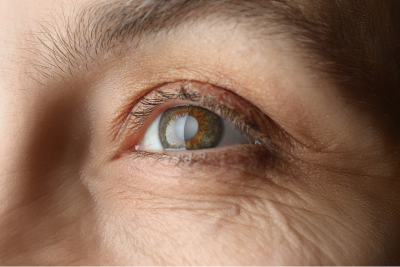
A cataract occurs when the natural lens inside the eye becomes cloudy over time. This clouding prevents light from passing through the eye clearly, leading to blurry or distorted vision.
According to the National Eye Institute, cataracts are extremely common as people age, especially after age 60.
While cataracts develop gradually, early detection is important because symptoms often worsen slowly and may begin interfering with driving, reading, work, and everyday activities.
1. Blurry or Cloudy Vision
One of the earliest and most common signs of cataracts is blurry or cloudy vision. Many patients describe it as looking through a foggy window or dirty glasses that never seem clean.
You may notice:
- Difficulty reading small print
- Trouble recognizing faces clearly
- Vision that seems dull or faded
- Frequent changes in eyeglass prescriptions
Because cataracts usually develop slowly, many people in Kalispell and the Flathead Valley don’t realize how much their vision has changed until daily tasks become more difficult.
2. Increased Glare and Sensitivity to Light Here
Are headlights suddenly much brighter at night? Do sunlight or indoor lights bother your eyes more than they used to?
Cataracts commonly cause:
- Glare from headlights
- Halos around lights
- Difficulty driving at night
- Increased light sensitivity
This is especially important in Montana, where bright snow glare, outdoor recreation, and high UV exposure can intensify visual discomfort.
The American Academy of Ophthalmology notes that glare and halos are among the most recognizable early cataract symptoms.
3. Trouble Seeing at Night
Many cataract patients first notice symptoms while driving after dark.
You may experience:
- Reduced night vision
- Difficulty seeing road signs
- Increased difficulty driving in rain or snow
- Trouble adjusting between bright and dark environments
Night driving in the Flathead Valley can already be challenging during the winter months. Cataracts can make those conditions even more dangerous by reducing contrast and clarity.
If you avoid driving at night because of your vision, it may be time for a cataract evaluation.
4. Colors Appear Faded or Yellow
Cataracts can slowly change how you perceive color.
Patients often notice:
- Whites appearing yellow
- Colors looking dull or faded
- Reduced contrast
- Difficulty distinguishing similar shades
Many people don’t realize how much color clarity they’ve lost until after cataract surgery restores sharper, brighter vision.
5. Frequent Prescription Changes
If your glasses prescription seems to change every year—or even more frequently—it could be a sign that cataracts are developing.
While some vision changes are normal with age, cataracts can cause:
- Rapid prescription changes
- Difficulty finding glasses that work well
- Temporary improvement followed by worsening vision
An eye exam with an ophthalmologist (eye surgeon) can determine whether cataracts are affecting your vision.
What Causes Cataracts?
Age is the most common cause, but other risk factors include:
- UV exposure
- Diabetes
- Smoking
- Previous eye injuries
- Long-term steroid use
- Family history
Because Montana residents often spend significant time outdoors, UV protection is especially important. Wearing quality sunglasses with UV protection may help reduce long-term eye damage.
The Centers for Disease Control and Prevention (CDC) recommends regular eye exams for adults over 65 to monitor cataracts and other age-related eye diseases.
When Should You See an Eye Doctor for Cataracts?
You should schedule an eye exam if:
- Your vision interferes with daily activities
- Night driving becomes difficult
- Glare worsens
- Reading becomes harder
- New glasses no longer improve your vision
At Glacier Eye Clinic, we provide comprehensive cataract evaluations for patients throughout Kalispell, Whitefish, Columbia Falls, Bigfork, Polson, the Flathead Valley, and Lincoln County.
Our experienced eye care team can determine whether cataracts are affecting your vision and discuss treatment options that fit your lifestyle and visual goals.
Modern Cataract Surgery Is Safe and Effective
Cataract surgery is one of the most commonly performed procedures in the United States and has an excellent safety record.
During surgery:
- The cloudy lens is removed
- A clear artificial lens implant (IOL) is placed
- Most procedures take less than 30 minutes
- Recovery is typically quick (return to most activities the next day!)
According to the American Society of Cataract and Refractive Surgery, millions of cataract surgeries are successfully performed every year.
Many patients experience dramatically improved vision and reduced dependence on glasses after surgery.
Cataract Care in Kalispell, Montana
If you are experiencing blurry vision, glare, or trouble seeing at night, don’t ignore the early warning signs of cataracts.
Glacier Eye Clinic proudly serves patients across:
- Kalispell
- Whitefish
- Columbia Falls
- Bigfork
- Mission Valley
- Lincoln County
- Glacier, Toole, and Pondera counties
Our team is committed to helping you protect and restore your vision with advanced diagnostic technology and compassionate care.
Schedule Your Cataract Evaluation Today
Early diagnosis can help you maintain safe, clear vision and improve your quality of life.
Contact Glacier Eye Clinic to schedule a comprehensive eye exam and cataract evaluation in Kalispell, Montana