What Is Blepharoplasty?
Medical and Cosmetic Eyelid Surgery in Kalispell, Montana
Your eyes are often one of the first places to show the natural effects of aging. Over time, the skin and muscles around the eyes may stretch and weaken, causing excess skin, drooping upper eyelids, or puffiness beneath the eyes.
For some people, these changes affect how rested or confident they feel. For others, excess eyelid skin can interfere with their vision and make everyday activities more difficult. Blepharoplasty may help address both cosmetic and medical concerns.
At Glacier Eye Clinic, patients can receive specialized oculoplastic care right here in Kalispell—without having to travel outside the Flathead Valley.
What Is Blepharoplasty?
Blepharoplasty, commonly called eyelid surgery or an eyelid lift, is a procedure that removes or repositions excess skin, muscle, and sometimes fat from the upper or lower eyelids.
Depending on the patient’s needs, blepharoplasty may be performed on:
- The upper eyelids
- The lower eyelids
- Both the upper and lower eyelids
The goal is not to dramatically change the way you look. A carefully planned procedure can help create a more rested, refreshed appearance while preserving the features that make you look like yourself.
When excess upper-eyelid skin obstructs vision, blepharoplasty may also improve the patient’s field of view and make daily activities more comfortable.
Is Blepharoplasty Cosmetic or Medical?
Blepharoplasty can be cosmetic, medically necessary, or a combination of both.
Cosmetic blepharoplasty
Cosmetic eyelid surgery may be considered when a person is bothered by:
- Excess or sagging upper-eyelid skin
- Puffiness or bags beneath the eyes
- A tired or aged appearance
- Changes around the eyes that affect confidence
Cosmetic blepharoplasty is generally elective and is typically not covered by health insurance.
Medical blepharoplasty
Upper-eyelid surgery may be considered medically necessary when excess skin limits the upper or peripheral field of vision.
Possible signs include:
- Difficulty seeing objects above or to the side
- Frequently raising your eyebrows to see more clearly
- Tilting your head backward to see beneath your eyelids
- Heavy or tired-feeling eyelids
- Forehead strain from constantly lifting your eyebrows
- Difficulty reading, driving, or completing other daily activities
An examination and, in some cases, visual-field testing can help determine whether your eyelids are interfering with your vision. Insurance requirements and coverage vary by plan.
What Is the Difference Between Blepharoplasty and Ptosis Repair?
Although the terms are sometimes used interchangeably, blepharoplasty and ptosis repair address different concerns.
Blepharoplasty primarily removes excess eyelid skin and tissue. Ptosis repair addresses a weakened or stretched muscle responsible for lifting the upper eyelid.
Some patients have excess skin, ptosis, or both. A specialized eyelid evaluation is important because the right treatment depends on the underlying cause of the drooping.
Who May Be a Good Candidate?
You may be a candidate for blepharoplasty if you:
- Have excess skin or puffiness around the eyelids
- Feel that your eyes constantly look tired
- Notice that your upper eyelids are affecting your vision
- Are in generally good health
- Have realistic expectations about the procedure and results
Because the eyelids are closely connected to the health and function of the eyes, your consultation should also include a discussion of dry eye, previous eye procedures, medications, medical conditions, and other factors that could affect healing.
What Happens During Blepharoplasty?
The exact procedure depends on whether the upper eyelids, lower eyelids, or both are being treated.
For upper-eyelid blepharoplasty, the surgeon typically places the incision within the eyelid’s natural crease. Excess skin and other tissue can then be carefully removed or repositioned.
For lower-eyelid blepharoplasty, the incision may be placed beneath the lashes or inside the lower eyelid, depending on the patient’s anatomy and treatment goals.
Your surgeon will explain the recommended approach, what type of anesthesia may be used, and what you can expect before, during, and after the procedure.
What Is Recovery Like?
Swelling, bruising, tightness, irritation, and temporary discomfort are common during the early stages of recovery. These effects generally improve gradually, but every patient heals differently.
Your surgeon may recommend:
- Using cold compresses as directed
- Keeping your head elevated
- Avoiding strenuous activity temporarily
- Protecting your eyes from sun and wind
- Using prescribed drops or ointments
- Attending all follow-up appointments
You will receive specific instructions based on your procedure and overall eye health. Do not resume contact lenses, eye makeup, exercise, or other activities until your surgeon says it is safe.
What Results Can You Expect?
Blepharoplasty may help the eyes appear more open, rested, and refreshed. When excess upper-eyelid skin is obstructing vision, the procedure may also improve visual function.
Results vary based on anatomy, age, skin quality, healing, and the type of procedure performed. While blepharoplasty can provide long-lasting improvement, it does not stop the natural aging process.
Why Choose an Oculoplastic Specialist?
Oculoplastic surgery is a highly specialized area focused on the eyelids, tear ducts, eye sockets, and surrounding facial structures. Treatment must consider both appearance and the health and function of the eyes.
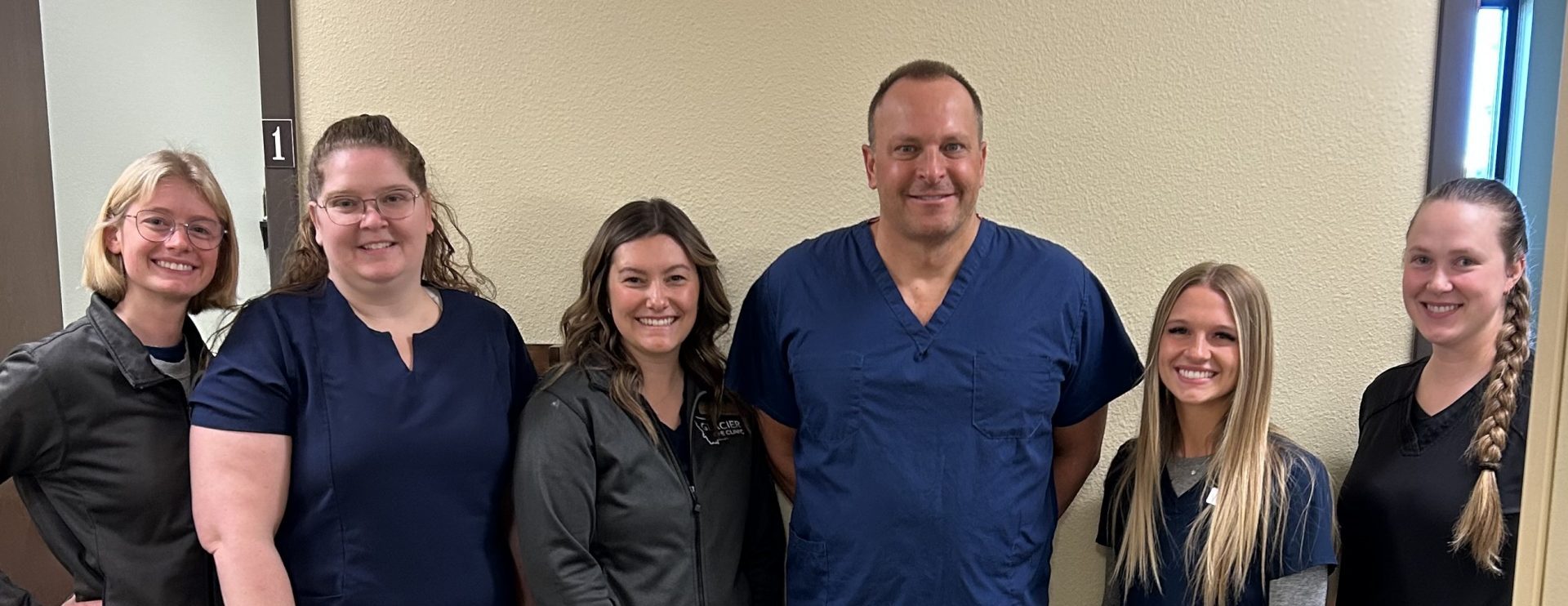
Dr. Nicholas Ranson provides specialized medical, cosmetic, plastic, and reconstructive eyelid care at Glacier Eye Clinic. His weekly availability brings this advanced level of care back to the Flathead Valley, helping local patients receive evaluations, treatment, and follow-up care closer to home.
Learn More About Blepharoplasty in the Flathead Valley
If heavy, drooping, or puffy eyelids are affecting how you look, how you feel, or how well you see, an evaluation can help you understand your options.
Call Glacier Eye Clinic at 406-257-2020 to learn more or request a consultation with Dr. Nicholas Ranson.
Glacier Eye Clinic
Kalispell, Montana
Serving patients throughout the Flathead Valley