
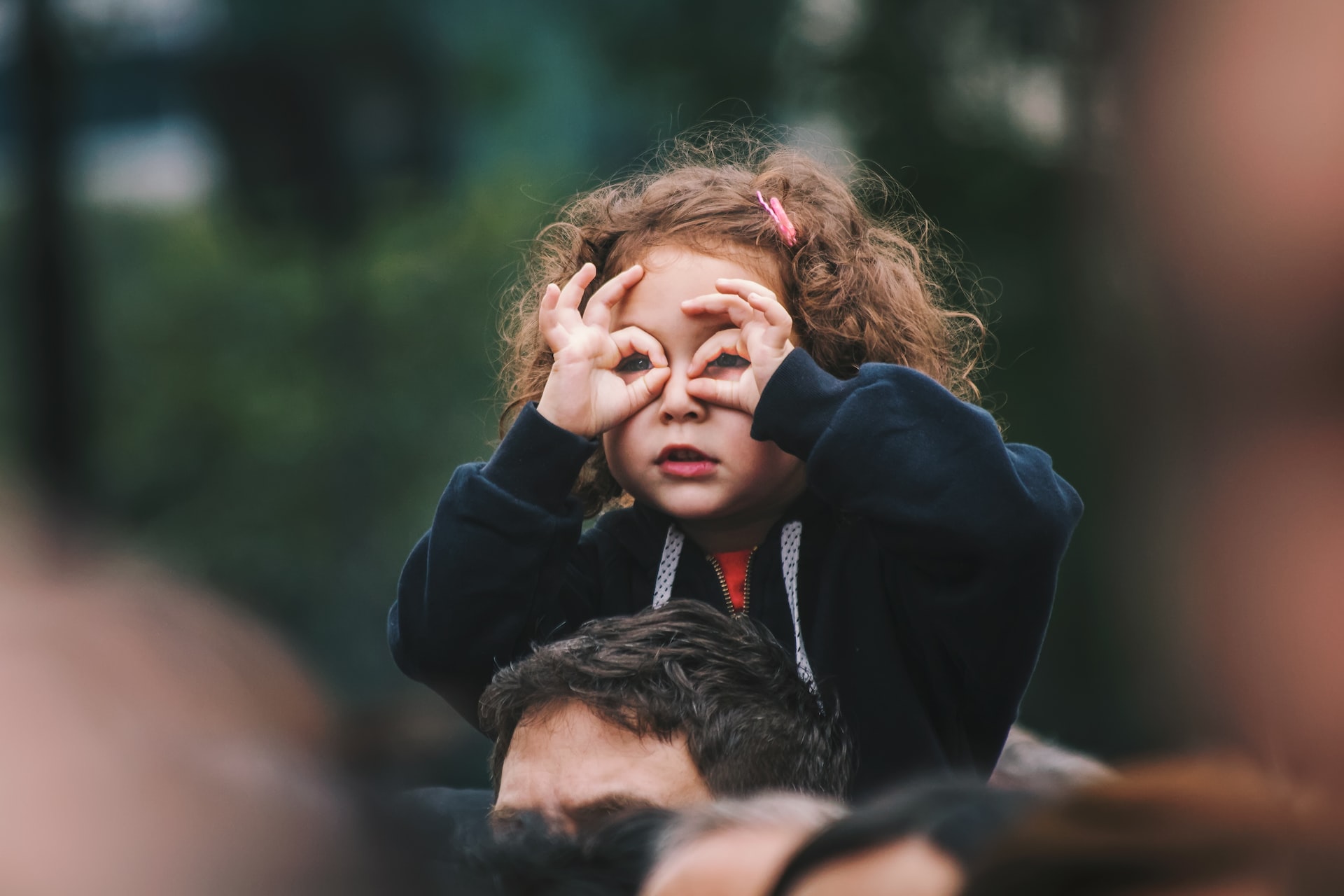
A Parent’s Guide to Protecting Children’s Eyes This Fall
Fall in Northwest Montana brings busy school schedules, cooler days, outdoor sports and the excitement of Halloween. It can also bring new challenges for children’s eyes—from long hours of close-up schoolwork to sports injuries and unsafe costume accessories.
Fortunately, a few practical habits can help families protect children’s eyes throughout the season.
That is why parents, caregivers, teachers and pediatricians play such an important role in recognizing possible signs of a vision concern.
Build Eye Breaks Into Homework and Screen Time
Children may spend much of the school day moving between computers, tablets, books and other close-up tasks. Extended screen use can contribute to tired, dry or uncomfortable eyes, especially when children forget to blink or hold devices too close.
Encourage the 20-20-20 rule: about every 20 minutes, look at something at least 20 feet away for 20 seconds. This is an easy way to relax the focusing system and give the eyes a brief reset.
Other helpful habits include:
- Positioning screens at a comfortable viewing distance
- Reducing glare when possible
- Reminding children to blink
- Taking movement breaks between assignments
- Avoiding screens immediately before bedtime when they interfere with healthy sleep
- Making time for outdoor play
Persistent headaches, blurred vision, eye discomfort or difficulty shifting focus should be discussed with an eye care professional rather than attributed to screen use alone.
Protect Young Athletes’ Eyes
Fall sports can expose the eyes to flying balls, equipment, fingers and collisions. Regular prescription glasses and sunglasses are not designed to provide sports protection and can break when struck.
Depending on the activity, properly fitted protective sports eyewear made for impact may be recommended. Children who need vision correction can often use protective eyewear with prescription lenses. Fit and comfort are important because protection only works when it is worn consistently.
Coaches and parents can help by including eye protection in the same conversation as helmets, mouthguards and other safety equipment.
Help Teens Use Contact Lenses Safely
October is Contact Lens Safety Month, making it a good time for families to review healthy lens habits. Contact lenses can be a safe and effective option for responsible teens when they are professionally prescribed, fitted and cared for correctly.
Remind young wearers to:
- Wash hands with soap and water and dry them completely before handling lenses
- Use fresh contact lens solution every time
- Never rinse or store lenses in tap water
- Remove lenses before swimming, showering or entering a hot tub
- Never sleep in lenses unless specifically directed by their eye care professional
- Follow the recommended wearing and replacement schedule
- Clean the case with fresh solution and replace it regularly
- Never share contact lenses
If a teen experiences eye pain, redness, excessive watering, light sensitivity or a change in vision, they should remove the lenses and contact an eye care professional promptly.
Say No to Unprescribed Costume Contacts
Decorative lenses that change the color or appearance of the eyes may seem like the perfect finishing touch for a Halloween costume. However, all contact lenses—including non-corrective costume lenses—are medical devices that require a valid prescription and proper fitting.
Lenses obtained without professional oversight may not fit correctly or may be made, packaged or stored unsafely. Wearing them can lead to corneal scratches, infection, ulcers and potentially serious vision damage. Children and teens should never share decorative lenses or purchase them from costume stores, beauty shops or unverified online sellers that do not require a prescription.
Make Costumes Easier to See Out of
Some costumes create hazards before children even leave the house. Masks, hats and wigs can block peripheral vision, making it harder to see cars, curbs, steps and other trick-or-treaters.
Before Halloween night:
- Check that masks have large, properly positioned eye openings
- Secure hats and wigs so they do not slide over the eyes
- Use soft, flexible props instead of sharp or pointed accessories
- Add reflective tape, lights or other high-visibility details
- Keep makeup and face paint away from the eye area
- Have children carry a flashlight
- Make sure footwear and costume length do not create a tripping hazard
Children should be able to see comfortably in every direction before heading out.
Know What to Do After an Eye Injury
Fast, appropriate action after an eye injury can make a difference. Do not rub or press on an injured eye. Do not try to remove an object that is embedded in the eye, and do not apply medication unless instructed by a medical professional.
If a chemical gets into the eye, immediately begin flushing it with clean, lukewarm water and seek urgent guidance. Significant pain, bleeding, a visible cut, light sensitivity, an unusually shaped pupil or any sudden change in vision requires prompt medical evaluation.
Do Not Overlook Changes in Vision
Seasonal safety is important, but so is paying attention to everyday behavior. Squinting, closing one eye, moving unusually close to screens, avoiding reading or noticing an eye drift may signal that a child needs an evaluation.
Glacier Eye Clinic’s pediatric ophthalmology team provides specialized care for children in Northwest Montana, from routine vision checks to the diagnosis and treatment of complex pediatric eye conditions.
If you have questions about your child’s vision, eye alignment, contact lens habits or an eye injury, call Glacier Eye Clinic at 406-257-2020.